Acrylic vs Oil-Based Enamel: Choosing an Interior Painting Finish
@melbpaint92806966
October 22, 2026 · 8 min read
Choosing between acrylic and oil-based enamel is one of the most common decisions Melbourne homeowners face when planning an interior painting project. Both paint types can deliver a beautiful, durable result, but they behave very differently in terms of application, drying time, odour, durability and long-term maintenance. Knowing the differences helps you pick the right product for each surface in your home, whether you are repainting a single bedroom or tackling a full house painting project.
This guide breaks down how each paint works, where each performs best, and what to consider in Melbourne's climate and housing stock, from Victorian terraces in Fitzroy to new builds in Melbourne's growth corridors.
Understanding the Basics: What Are Acrylic and Oil-Based Enamel Paints?
Water-Based Acrylic Paint
Acrylic paint, often labelled as water-based or waterborne, uses water as its main carrier and acrylic resins as the binder. Once applied, the water evaporates and the resin particles fuse into a flexible, durable film. Modern acrylics have improved dramatically over the past decade, and in 2026 many premium acrylic enamels are engineered specifically to mimic the hard, smooth finish once associated only with oil-based products.
Oil-Based (Solvent-Based) Enamel
Oil-based enamel uses alkyd resins dissolved in solvents such as mineral turpentine. It cures through evaporation and oxidation, forming a hard, glossy and very smooth film. Traditionally, this was the go-to choice for doors, trims, window frames and skirting boards because of its excellent levelling and tough surface.
Key Differences at a Glance
Drying and Recoat Times
Acrylic paints typically dry to the touch within an hour or two and can often be recoated in two to four hours, depending on humidity and temperature. Oil-based enamels usually take six to sixteen hours to become touch dry, and up to 24 hours before recoating. Full curing can take several days to weeks for both types, so avoid heavy use of freshly painted surfaces such as doors and handrails for as long as the manufacturer recommends.
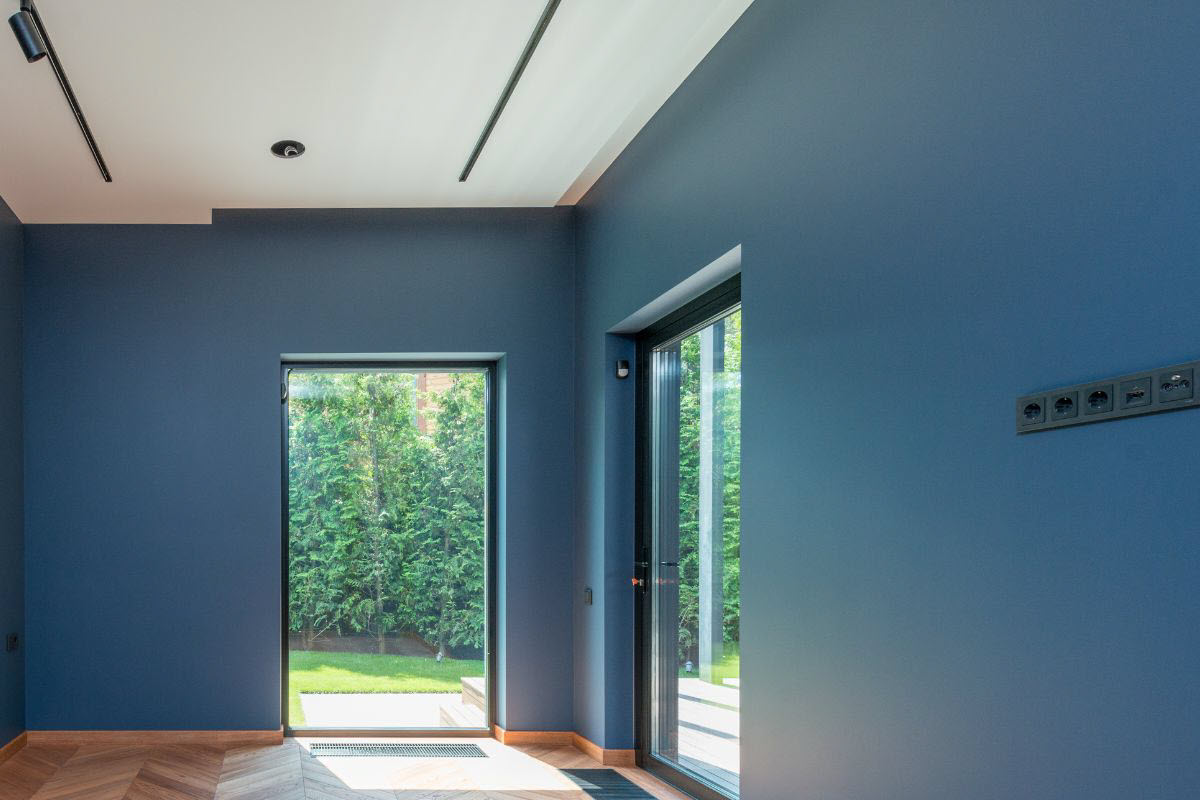
For busy households, the faster turnaround of acrylic is a major advantage. A painting contractor can complete multiple coats in a single day, which reduces disruption.
Odour and Indoor Air Quality
Acrylic paints have low odour and low VOC (volatile organic compound) content, making them far more comfortable for occupied homes. Oil-based enamels release stronger fumes, require good ventilation, and can linger for days. If you have children, pets, allergy sufferers, or anyone with respiratory sensitivities at home, water-based products are generally the safer choice for interior painting.
Durability and Hardness
Oil-based enamel has long been valued for its hard-wearing finish. It resists scuffs, knocks and repeated cleaning well, which is why it remains popular for high-contact areas. However, today's premium acrylic enamels have narrowed this gap considerably, offering excellent block resistance (resistance to sticking), good hardness and strong stain resistance.
Yellowing Over Time
One notable drawback of oil-based enamel is yellowing, especially in white and light colours. This occurs as the oils oxidise and is more noticeable in rooms with limited natural light. Acrylic paints hold their colour better and stay crisp and white for longer, which is a significant benefit for white trims and ceilings.
Flexibility and Cracking
Acrylic films remain flexible, so they move with the surface as timber expands and contracts through Melbourne's temperature swings. Oil-based paint becomes more brittle with age and is more prone to cracking or peeling, particularly if applied over a surface that is still moving or has not been properly prepared.
Finish and Levelling
Oil-based enamel is known for its self-levelling properties, which allow brush marks to flatten out as the paint dries. This creates a glass-smooth finish that is hard to beat on doors and cabinetry. Acrylic enamels dry faster, which can make brush marks more visible if the painter is not experienced. Quality additives (conditioners) and good technique, or spray application, can help overcome this.
Where Each Paint Type Works Best
Best Uses for Acrylic Paint
- Walls and ceilings: Low-sheen and matt acrylics are the standard for living areas and bedrooms.
- Bathrooms and kitchens: Moisture-resistant acrylic formulations with mould inhibitors perform well in humid spaces.
- Trims, doors and skirting boards: Water-based enamels now offer a hard, durable finish with less yellowing.
- Occupied homes: Low odour means less disruption for families, workers and tenants.
- Rental properties and quick turnarounds: Fast drying speeds up the entire job.
Best Uses for Oil-Based Enamel
Oil-based enamel still has a place in certain situations. It can be a good option for previously oil-painted surfaces in sound condition, for heritage joinery where a traditional smooth, glossy look is desired, and for areas that suffer heavy abrasion. It also offers excellent adhesion over problem surfaces such as some glossy or stained timbers, though modern water-based primers can often achieve similar results.
Melbourne-Specific Considerations
Changeable Weather and Humidity
Melbourne's famously variable weather can influence drying times. Even for interior painting, open windows on a humid or cold day can slow curing. Acrylics are more forgiving, but both paint types perform best between roughly 10 and 30 degrees Celsius with moderate humidity. Plan jobs around the seasons where possible, and ensure steady airflow without letting dust blow onto wet surfaces.
Older Homes and Existing Paint Layers
Many Melbourne homes built before the 1970s have multiple layers of old oil-based paint, and some may contain lead. If your property is older, it is important to test for lead before sanding or scraping. Disturbing lead-based paint without proper precautions can create health risks. Professional painters follow safe work practices, including containment, wet sanding and appropriate disposal. Victorian health and EPA guidance applies to the handling and disposal of hazardous waste, so always use a licensed and informed painting service for older properties.

Regulations and Environmental Trends
Across Australia, there has been a steady shift toward low-VOC and water-based coatings, driven by consumer demand, green building standards and workplace health considerations. In 2026, most major paint brands in https://melbpaint16892166.readspirex.com/posts/how-to-plan-exterior-painting-for-melbourne-s-eaves-and-fascias Melbourne stock extensive ranges of low-VOC acrylic enamels, while oil-based options are becoming more limited and are largely reserved for specialist uses. Looking toward 2027 and beyond, expect continued product innovation in water-based technology, narrowing any remaining performance gaps even further.
Surface Preparation: The Real Key to a Lasting Finish
No matter which paint you choose, preparation is what makes or breaks the result. Poor prep is the leading cause of premature peeling and uneven sheen. A reputable painting contractor will typically follow steps like these:
- Clean surfaces to remove grease, dust, soap residue and mould.
- Fill holes, cracks and dents, then sand smooth.
- Spot-prime stains, bare timber and repaired areas with the appropriate primer or undercoat.
- Lightly sand glossy surfaces to give the new coat something to grip.
- Apply two finish coats, allowing proper drying time between each.
Painting Acrylic Over Oil-Based Paint
You can paint acrylic over existing oil-based enamel, but the surface must be thoroughly cleaned, sanded and primed with a suitable bonding primer. Skipping these steps can lead to peeling. Painting oil-based enamel over acrylic is also possible but less common, and again requires correct priming.
Cost Considerations
Acrylic enamels and oil-based enamels are comparable in price per litre, with premium products in each category costing more. However, total project costs can differ. Acrylic typically reduces labour time because of faster recoating, easier clean-up with water, and less need for ventilation measures. Oil-based jobs may take longer and require mineral turpentine for brush cleaning and careful disposal. When comparing quotes from different painters, ask which product is being used and how many coats are included.
Interior vs Exterior Painting: Do the Same Rules Apply?
Many of the same principles apply to exterior painting, but outdoor surfaces face UV exposure, rain and temperature extremes. For exterior work in Melbourne, flexible, UV-resistant acrylic paints are the standard choice for weatherboards, render and eaves. Oil-based enamels may still be used on certain timber elements, but they can chalk, fade and crack faster under harsh sunlight. If you are planning a full house painting project that covers both inside and outside, a single painting service can coordinate products to ensure consistent colour and finish.

How to Choose: A Quick Decision Guide
As a general rule for Melbourne homes in 2026, water-based acrylic is the best all-round choice for most interior painting jobs. Consider oil-based enamel only if:
- You are matching an existing oil-based finish on heritage joinery.
- You need maximum levelling for a traditional, ultra-smooth gloss look.
- A specific substrate or manufacturer recommendation calls for it.
If you are unsure, ask for a sample patch on a discreet area, and compare the finish in your home's natural light before committing.
Tips for Working with a Painting Contractor in Melbourne
Hiring qualified painters ensures the right product is matched to the right surface. When getting quotes, look for the following:
- A valid licence or registration where applicable, plus public liability insurance.
- A written quote that specifies paint brand, product line, sheen level and number of coats.
- A clear description of the preparation work included.
- Knowledge of lead-safe practices for older homes.
- References or examples of previous interior painting work.
Final Thoughts
Both acrylic and oil-based enamel have earned their place in the painting industry, but the balance has shifted decisively toward water-based products. With lower odour, faster drying, better colour retention and impressive durability, modern acrylic enamels suit the vast majority of interior surfaces in Melbourne homes. Oil-based enamel remains a niche choice for specific circumstances and traditional finishes.
The most important factors are always proper surface preparation, quality materials and skilled application. Speak with a trusted local painting contractor about your home's specific needs, and you will be well placed to choose a finish that looks great and stands up to everyday life for years to come.
Melbourne House Painting Pros
2/147 Swan St, Richmond VIC 3121
(03) 4051 5313